> For the complete documentation index, see [llms.txt](https://computationaldocs.zeblok.com/info/llms.txt). Markdown versions of documentation pages are available by appending `.md` to page URLs; this page is available as [Markdown](https://computationaldocs.zeblok.com/info/1.3.7/procedure/workstations/introduction/deploy.md).
# Containerization
Ai-APIᵀᴹ Engine: Deploy
### Deploying Models Guide
Before starting to read this guide, it is recommended that you read the[ ](https://computationaldocs.zeblok.com/zeblok-computational-1/ai-api/notebooks)[Build Models Guide](https://computationaldocs.zeblok.com/zeblok-computational-1/ai-api/build-models) of the Ai-APIᵀᴹ Concept.
After a model is built, trained, and containerized, comes the deployment stage.
Now this is the part where our Ai-APIᵀᴹ Engine comes into play.
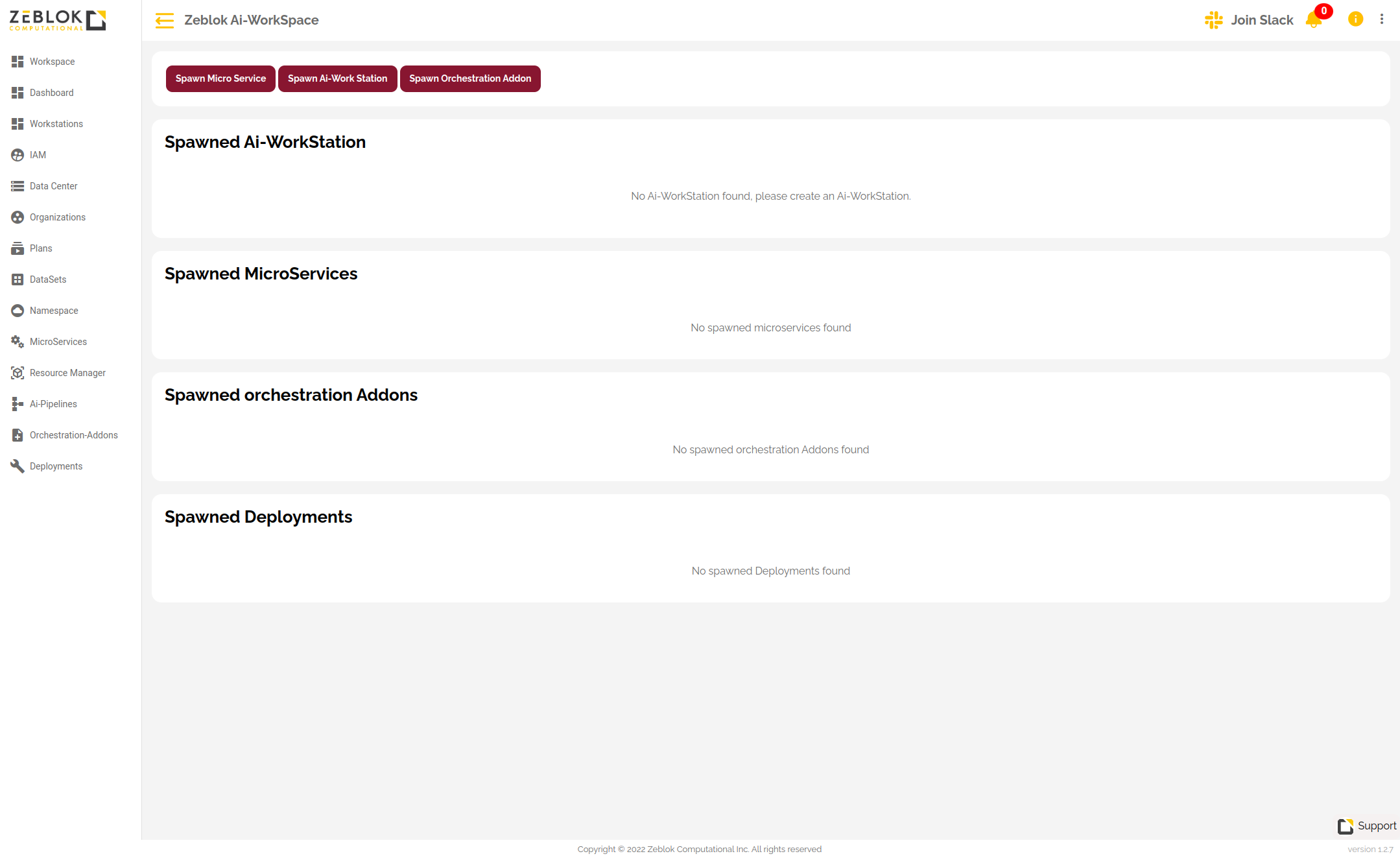
Our Workspace has a Spawned Deployment section, and the sidebar on the left side of your screen has a menu button called Containerization, which will lead you to our Ai-APIᵀᴹ Engine, Containerized model status, and Pipeline status
Figure 1: Spawned Deplyments
{% hint style="info" %}
**Note:**
If in the Building phase you have already chosen the auto-deployment feature provided by our Zeblok CLI, you will be able to see your model under the "Spawned Deployment" section, deployed as an AI-API.
{% endhint %}
### For the Manual deployment process, the steps are as follows:
* Click on the Deployment Button on the left-hand menu, and you will see the containerized model in "ready" state, which you can easily deploy as an AI-API by clicking the Deploy AI-API button under Actions.
Figure 2: Deplyments Tab
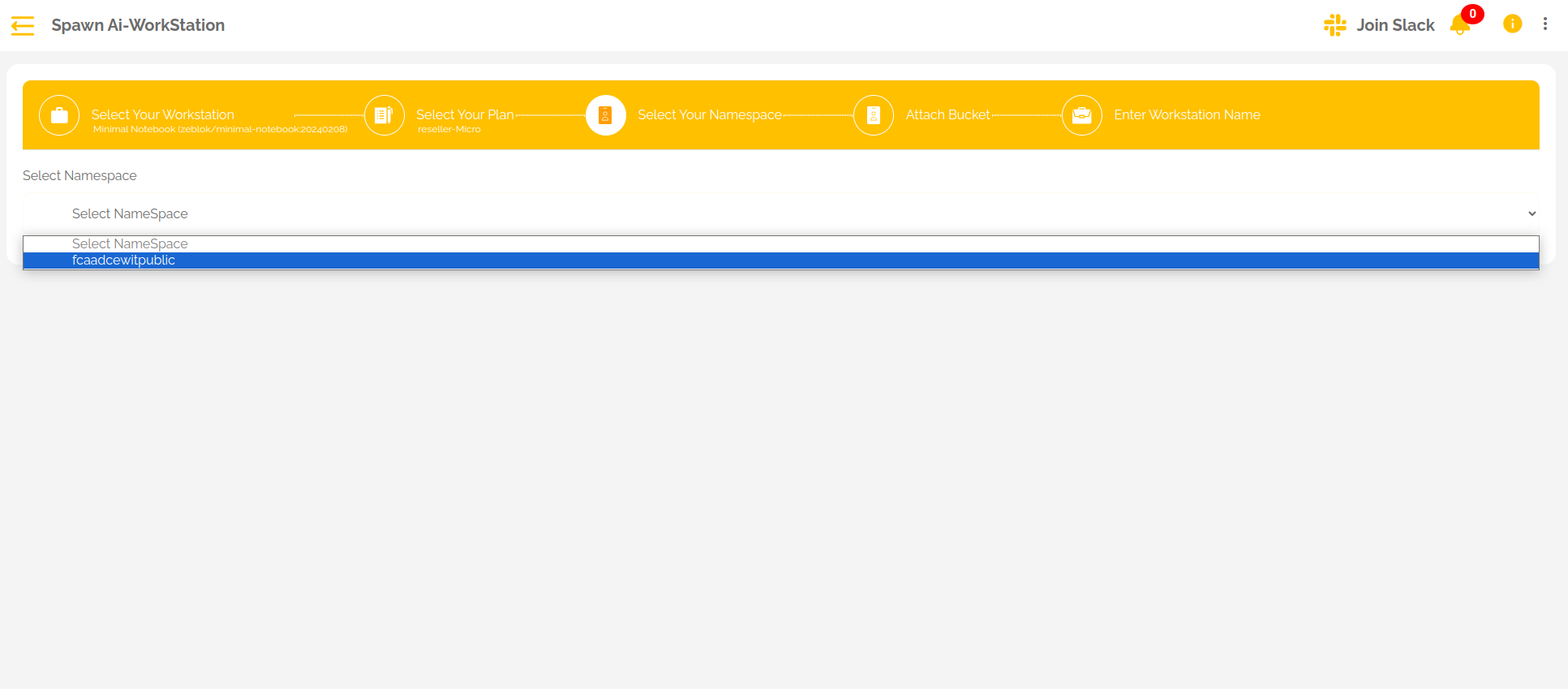
* Then comes the selection of a namespace (only if you are a member of one).
Figure 3: Namespace Selection
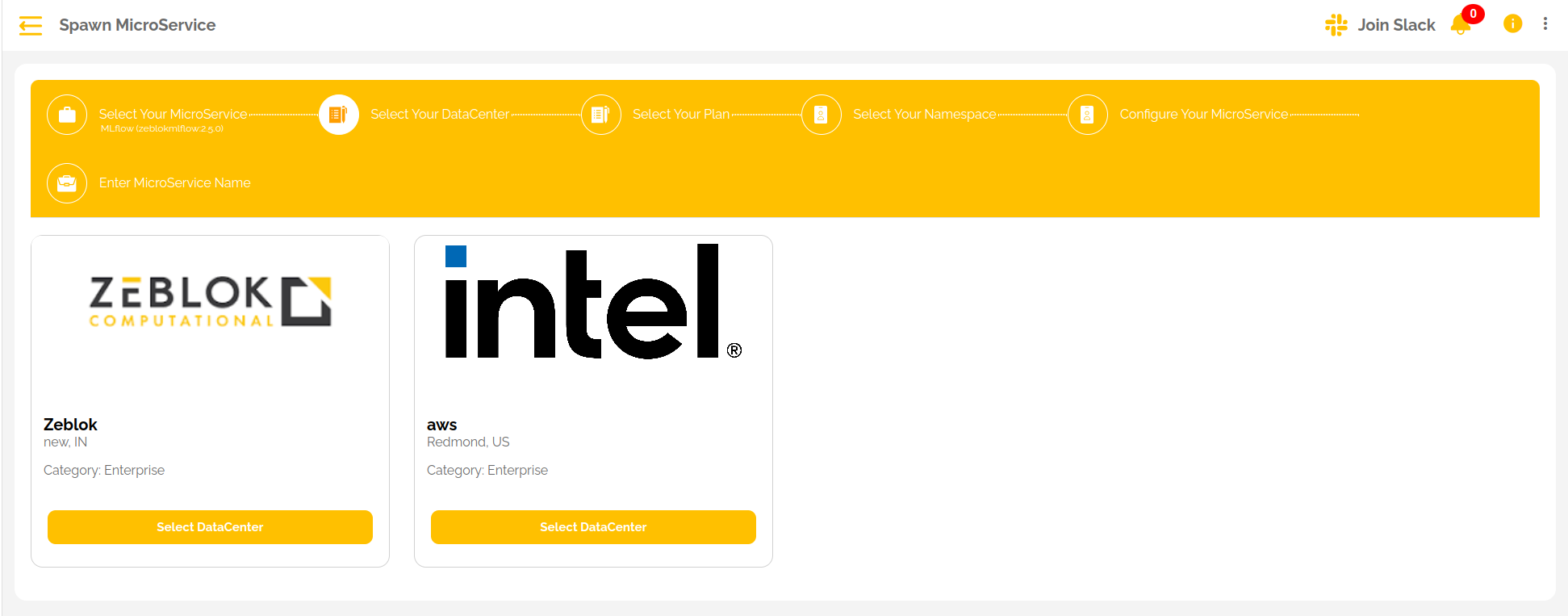
* The third step is to select the location where you want to deploy it.
Figure 4: Select DataCenter
* If you selected an Edge Datacenter in the previous step, you have an additional step where you are given an option to choose whether you want your deployment to be created on the **HUB** or any **SATELLITE** Node.

* Name your Deployment and click on Create.
Figure 5: Name of Deployment
You will be redirected to the Workspace while the deployment is being done in the background. On successful deployment, the status of the deployment will change to **DEPLOYED.**
Figure 7: Deployment Successful
{% hint style="info" %}
**Note:** On successful deployment, when the status is deployed, you are now given an option to monitor various performance metrics, as highlighted in the images below.
{% endhint %}